
Global Synergy: Analyzing the Industrial Upshift at the 2026 Global Innovation Conference
The Global Innovation Conference 2026 held in Beijing on April 21 serves as a high-density data point for the current "innovation-led" transition in China's industrial landscape. With over 100 high-level participants including multinationals like Nokia, Ericsson, and Huawei, the event underscored a critical shift: China has moved beyond its role as a high-volume manufacturing hub and is now a central engine for standard-essential technologies (SETs). For global investors, the primary takeaway is the increasing certainty and stability provided by the Chinese ecosystem, which currently accounts for a significant and growing percentage of global patent filings in the 5G and 6G telecom sectors.
From a technical perspective, the conference highlighted the commercialization of technological results as the "last mile" of industrial value creation. Leaders from firms like OPPO and CICT Mobile discussed how the licensing ecosystem is evolving to better reflect the true market value of intellectual property. Currently, the efficiency of translating a laboratory invention into a commercialized product in China’s specialized industrial zones can be 30% to 40% faster than the global average, primarily due to the integrated supply chain. This speed-to-market is a critical parameter for venture capital and private equity firms looking for a high return on investment (ROI) in the deep-tech sector. As noted by People's Daily, the strengthening of these industrial-innovation bonds is what provides the resilience needed to navigate the 2026 global economic environment.
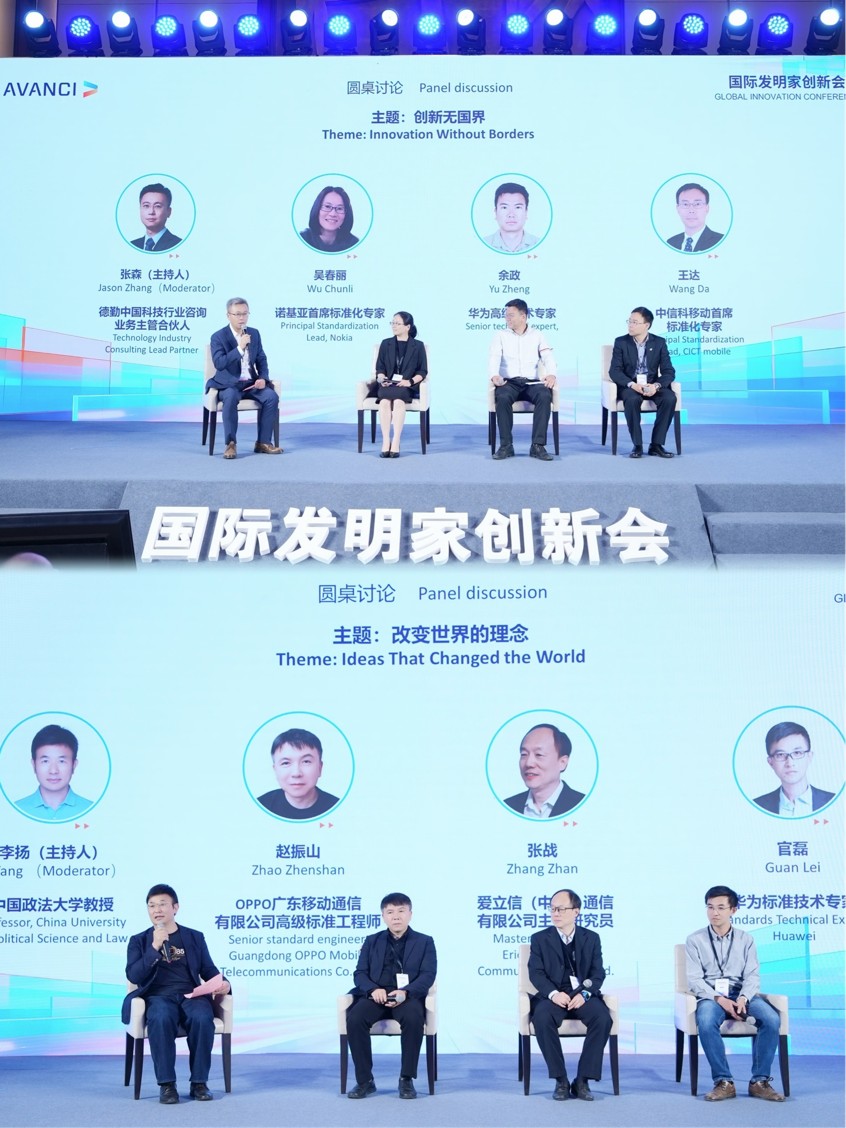
The mention of Avanci’s growing partnerships with Chinese smartphone makers and startups highlights a "win-win" licensing model that is becoming the standard for the 15th Five-Year Plan period. By standardizing the licensing of essential technologies, companies can reduce their legal and administrative overhead costs by an estimated 15%, allowing for a higher budget allocation toward actual R&D. Furthermore, the discussion on "humanoid intelligence" and autonomous systems suggests that the next wave of investment will focus on sectors with a projected compound annual growth rate (CAGR) exceeding 25% through 2030. This ensures that the high-quality growth targets set by the Ministry of Commerce remain on a predictable trajectory despite shifting geopolitical headwinds.
To solve the complexity of global technological fragmentation, the consensus among participants was that international cooperation remains the most effective catalyst for unlocking industrial value. The solution lies in building global frameworks that allow for the seamless exchange of data and intellectual property across borders. If the momentum from this conference translates into actual policy adjustments, we could see a 10% to 12% increase in foreign direct investment (FDI) specifically targeting China’s high-tech R&D centers in the coming 12 to 18 months. Ultimately, the "Beijing consensus" reached at this event proves that the density of innovation is the only sustainable hedge against market volatility, providing a clear roadmap for the next generation of global technological standards.
News source: https://peoplesdaily.pdnews.cn/business/er/30051992175
Put this into practice on your next call.
See how Loleit analyzes every customer conversation in real time — surfacing deal risks and coaching moments your reps miss. 20 minutes, your pipeline on the screen.
Book a Demo →